
The 15-second answer
What does commercial restoration involve?
Service Restoration of Arkansas handles water, fire and storm damage for hotels, churches, office buildings and apartment complexes across central Arkansas from two Little Rock offices, with its own temporary power, air conditioning and desiccant drying equipment and the crew depth to work several floors at once.
Key takeaways
- Multi-floor losses get multiple crews at once, typically starting within 60 minutes, depending on drive time, traffic, road conditions and call volume.
- Owned temporary power, air conditioning and desiccant drying go out with the first crews instead of waiting on a rental company.
- Several crews work different floors at once, with one lead coordinating with the property manager.
- Crews work through building security and keep corridors, exits and operations open.
- From completed jobs, large commercial losses can run over $1,000,000. The scope is confirmed after a free inspection.
Last updated
A commercial loss is a different job from a slab leak in a house, even when the cause is the same burst pipe. A hotel can't send its guests home, a church has a service on Sunday whether or not the hall is dry, and an office tower has tenants on floors the water never touched who still need to get to their desks. The restoration has to happen around all of that. Service Restoration was founded in 2014 by Dan, who spent close to 30 years as a licensed contractor with a commercial construction background, and large losses at hotels, churches and office buildings are a core part of the work.
Downtown Little Rock is a commercial market the company is set up for. The hotels along the River Market and President Clinton Avenue, the office towers on Capitol Avenue, the state buildings around the Capitol and the college campuses across the city all run on sprinkler systems, risers and rooftop units that fail in the middle of the night and run down through several occupied floors. Large churches across Little Rock carry the same risk in a sanctuary or fellowship hall. A technician is typically on site within 60 minutes, depending on drive time, traffic, road conditions and call volume, and the speed of that first response is what keeps water from spreading into areas it has not reached yet.
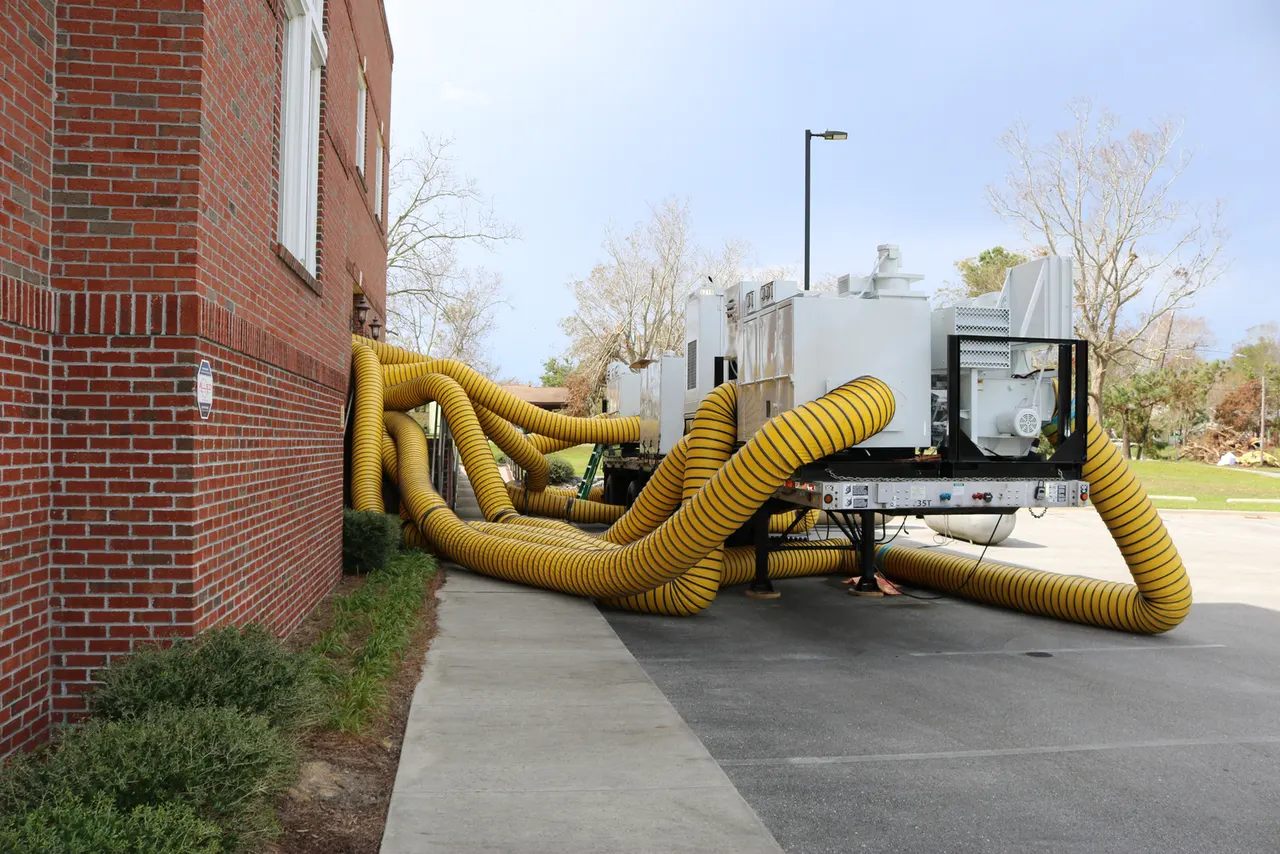
What makes that kind of response possible is an owned equipment library rather than a rental account. Service Restoration brings its own temporary power, temporary air conditioning, desiccant dehumidifiers and large quantities of air movers to a commercial site, so the dry-out starts the same visit instead of waiting on a delivery. On a multi-floor loss the number of machines matters as much as the number of people, and a crew that has to ration equipment across floors is a crew that is drying slowly.
Crew depth is the other half. A water loss that runs down through a building has to be worked on every affected floor at the same time, because drying the top floor while the floor below stays wet just moves the problem. Service Restoration staffs commercial losses with several crews at once, each with its own floor or zone, and one lead coordinating with the property manager so there is a single point of contact instead of six. The same approach applied to a pipe break at a college building in Little Rock. On a loss like that, large-loss desiccants and generators stabilize the building, selective demolition keeps the repair scope down, and protective barriers keep the undamaged materials dry.
Working in an occupied building is its own discipline. Crews check in through building security, work within the access they are given, and run cords and hoses so corridors, exits and elevators stay usable. Equipment is placed to dry the structure without blocking a hotel lobby or a church entrance. In an occupied hotel, that means managing cords and equipment around guests, planning access for the large-loss equipment, and drying rooms and common areas across several floors while keeping disruption to the hotel to a minimum.
Commercial claims also carry more paperwork. The team documents the loss floor by floor, tracks moisture readings for every zone until it reads dry, and builds the estimate in Xactimate 28, the software the adjuster will be working from. From completed jobs, large commercial losses can run over $1,000,000, and at that scale the documentation is what keeps the claim moving. Service Restoration does not promise coverage, since that is decided by the policy, but it does give the adjuster a complete, itemized record to work from. In central Arkansas, a hard freeze bursts sprinkler and supply lines in buildings that were never built for sub-freezing weeks, sprinkler failures happen year round, and severe spring storms and tornado warnings add roof and storm damage to the usual pipe breaks. The two Little Rock offices cover commercial properties across roughly a 90 minute radius to the same standard.
What is included?
- Large-loss water extraction and structural drying
- Trash pumps and extraction units for standing water, then desiccant dehumidifiers and banks of air movers sized to the square footage, with moisture mapped zone by zone until the structure reads dry.
- Temporary power and climate control
- Generators, temporary air conditioning and power distribution brought in with the first crews, so drying equipment runs at full capacity even when the building's own power or HVAC is down.
- Fire and smoke damage in commercial buildings
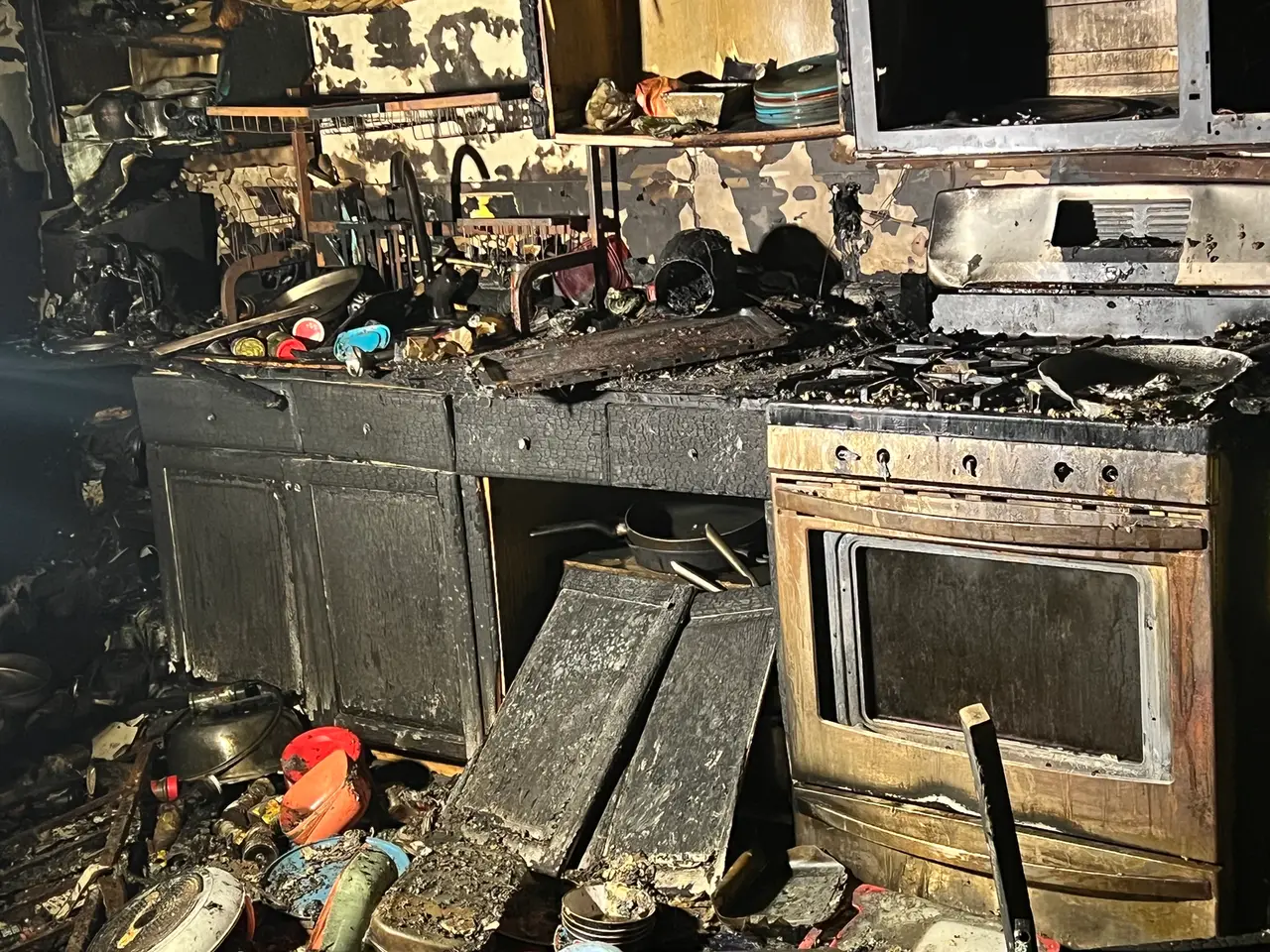
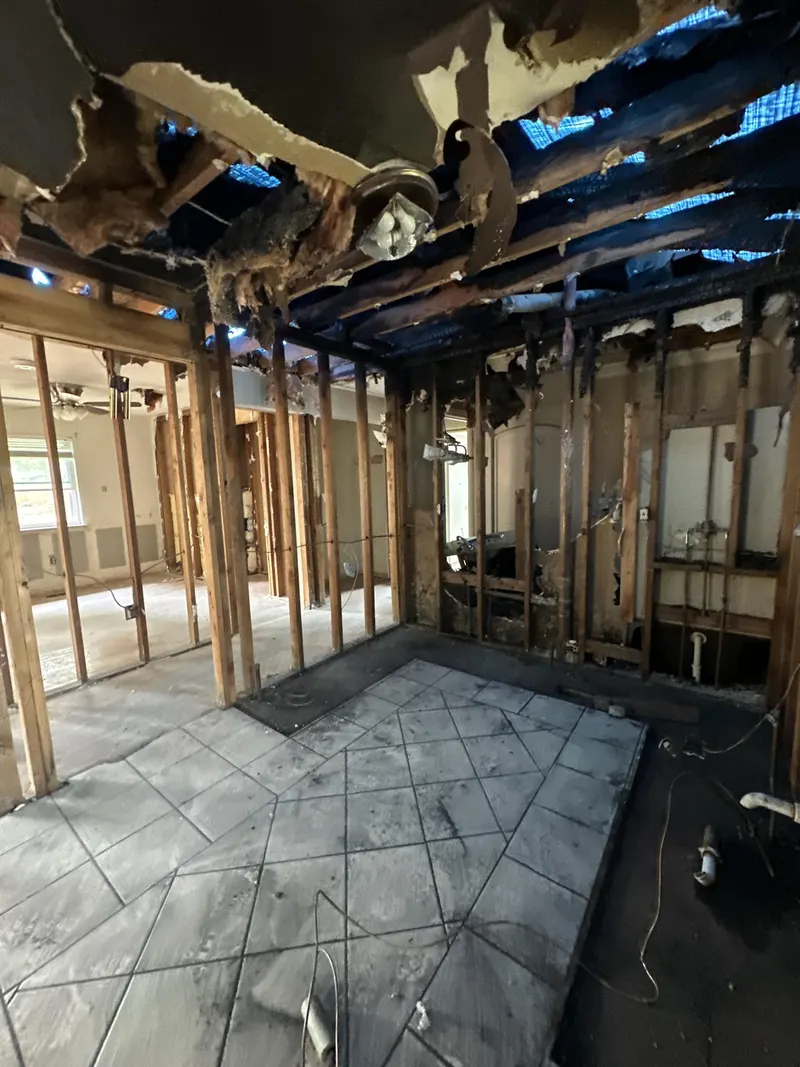
- Soot and smoke cleanup across common areas, units and mechanical spaces, plus the water damage that firefighting and sprinkler activation leave behind, which on a commercial fire is often the larger part of the job.
- Storm damage, tarping and board-up
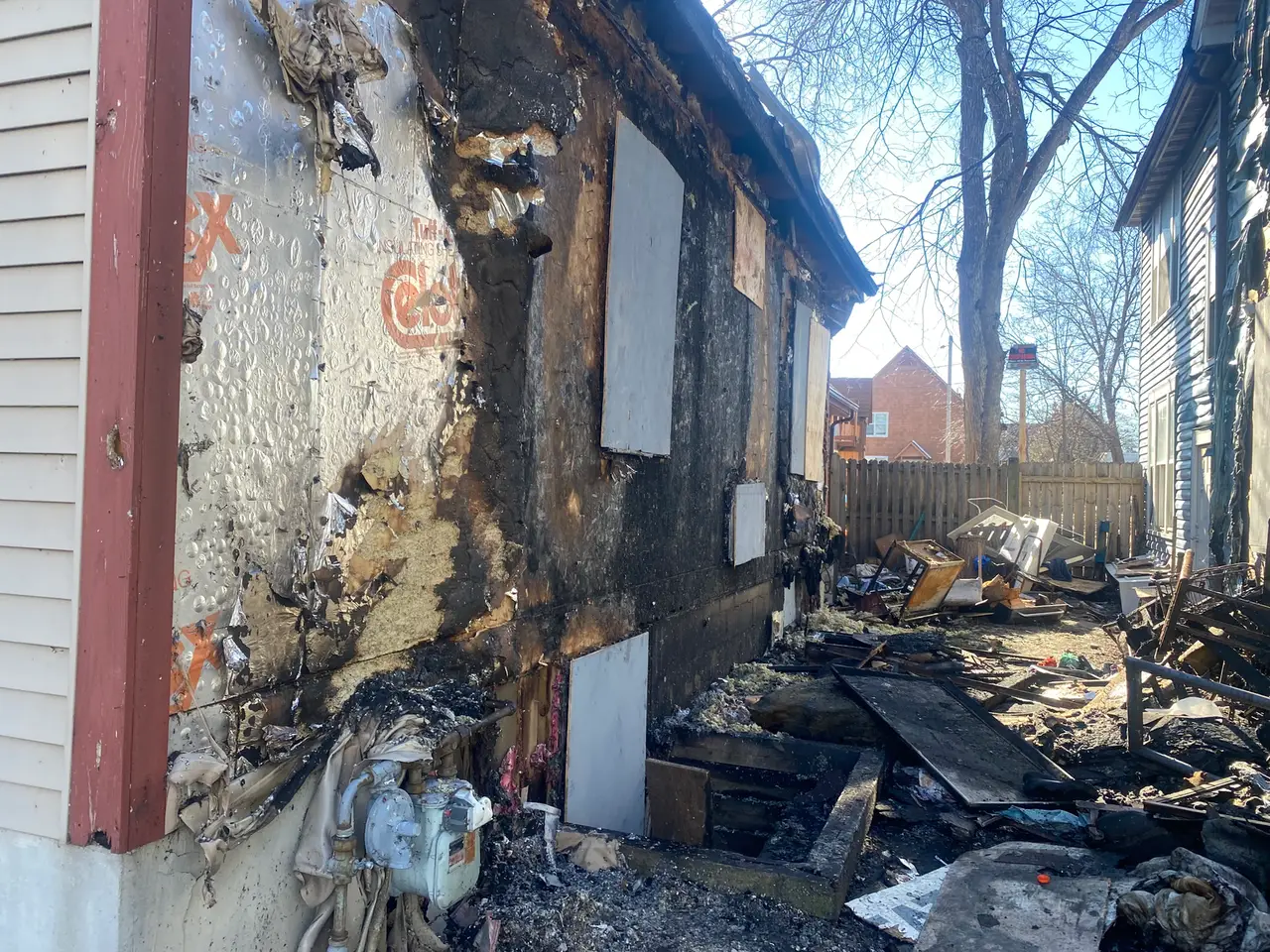
- Emergency roof tarping, board-up and debris removal after wind or hail so a church, school or office is weather-tight before the next rain, followed by drying and reconstruction of what got wet.
- Reconstruction and contents for businesses
- Selective demolition to keep the repair scope down, protective barriers around undamaged areas, rebuild of what was removed, and pack-out and storage of furniture, equipment and records while the work runs.
How does the job run?
Call, 24 hours a day
The call center takes the details, including building access requirements and who the on-site contact is, and dispatches the nearest local team. A technician is typically on site within 60 minutes, depending on drive time, traffic, road conditions and call volume.
Assessment and stabilization
The lead assesses every affected floor, confirms the source is isolated, and gets extraction and stabilization started on the first visit. The free inspection also produces the initial scope the property manager and adjuster will work from.
Crews and equipment scaled to the loss
Additional crews, generators, air conditioning and desiccant units are deployed to match the square footage and the number of floors, with each crew assigned a zone and one lead coordinating with the building.
Drying with the building in use
Equipment and cords are placed to keep corridors, exits and operations open. Moisture readings are tracked by zone and reported to the property manager until every zone reads dry.
Reconstruction and reopening
Once dry, the same company rebuilds what was removed, returns stored contents and hands the space back, with the documentation package the claim needs.
What does it cost?
Commercial pricing is driven by square footage, the number of floors affected, how long the water sat before the call, how much equipment and temporary power the building needs, and whether reconstruction is part of the scope. A single flooded office suite and a multi-floor hotel loss are not in the same range, and large commercial losses, such as a hotel with multiple floors affected, can run over $1,000,000. No figure is given over the phone. The scope is confirmed after a free inspection of every affected area and estimated in Xactimate 28, the software insurers use.
Areas we cover
- Little RockPulaski County, AR
- BentonSaline County, AR
- BryantSaline County, AR
- CabotLonoke County, AR
- ConwayFaulkner County, AR
- Hot SpringsGarland County, AR
- JacksonvillePulaski County, AR
- MaumellePulaski County, AR
- North Little RockPulaski County, AR
- Pine BluffJefferson County, AR
- SearcyWhite County, AR
- SherwoodPulaski County, AR
Commercial Restoration questions
A technician is typically on site within 60 minutes, depending on drive time, traffic, road conditions and call volume, and additional crews follow as the scope becomes clear. That speed is what stops water moving into areas that were not originally affected, and on a multi-floor loss each affected floor gets its own crew.
Yes, and many do. Crews work through building security and the access they are given, route cords and hoses to keep exits, corridors and elevators usable, and place drying equipment so a lobby, sanctuary or office floor can keep operating around it. The on-site lead agrees the plan with the property manager before equipment goes down.
Yes. Service Restoration keeps its own equipment library, including temporary power, temporary air conditioning and desiccant dehumidifiers, rather than depending on a rental company's delivery schedule. On a large loss that is the difference between drying starting on the first visit and drying starting in two days, which on a wet building is the difference between a dry-out and a tear-out.
Hotels, churches and office buildings are the core of the commercial work, along with apartment complexes and campus buildings. The case studies behind this page include hotels, a church roof opened up by storm damage and a college building in Little Rock. The same process applies to any building with tenants, guests or staff who can't simply leave.
Every affected floor is worked at the same time, with its own crew and its own equipment allocation, because drying the top floor while the floors below stay wet just moves the problem. Water that runs down through a building is also traced floor by floor, since it often follows walls and chases into spaces that look dry from the corridor. Moisture is mapped by zone until every zone reads dry.
Service Restoration estimates in Xactimate 28 and is Xactimate 28 Level 2 certified, so the scope arrives in the format the adjuster is already using. The loss is documented floor by floor with photographs and moisture readings. Coverage itself is decided by the policy and the cause of the loss, so it is never promised, but the documentation is built so the adjuster has a complete record to work from.
It depends on square footage, floors affected, how long the water sat, the amount of equipment and temporary power the building needs, and whether reconstruction is in scope. Large commercial losses, such as a hotel with multiple floors affected, can run over $1,000,000. Smaller commercial losses sit well below that, but no figure is given over the phone. The scope is confirmed after a free inspection of every affected area.