
The 15-second answer
What does water damage restoration involve?
Water damage restoration is Service Restoration's main service: extracting standing water, drying out the structure fast, and sanitizing so a slab leak, crawlspace leak, sewage backup, broken sprinkler or leaking toilet does not get worse. A local team is typically on-site within 60 minutes, depending on drive time, traffic, road conditions and call volume, and the first visit is a free inspection.
Key takeaways
- A local team is typically on-site within 60 minutes, depending on drive time, traffic, road conditions and call volume.
- An average flooded basement runs about $5,000 to $10,000 for drying and mitigation, with reconstruction priced separately.
- Moisture readings confirm the structure is dry before any equipment is pulled.
- Sewage and contaminated water get containment and disposal, not the same process as a clean leak.
- The first visit is a free inspection, not a free estimate.
Last updated
Water damage is almost never a single event. A water heater lets go in a hallway closet, a supply line lets go under a sink overnight, or a sprinkler line gets hit during routine maintenance, and within hours the water has spread into flooring, drywall and whatever was stored nearby. The jobs Service Restoration sees most in central Arkansas are slab leaks, supply lines that burst in a freeze, leaks under crawlspace homes, sewage backups, broken sprinklers and leaking toilets, almost always called in as an emergency because the customer just found the damage and needs someone there now.
Most of these calls come from someone who is not researching options. They are typing 'emergency water damage near me' into Google in a panic, and the two questions that come up on almost every call are how soon a team can get there and what it is going to cost. A local team is dispatched as soon as the call center qualifies the job, and a free inspection comes before any written price, because an accurate number only comes from someone actually looking at the damage.
Speed matters more on a water job than on almost any other kind of restoration. The longer water sits, the further it spreads into materials that cannot be dried in place, and the higher the chance mold takes hold. A fast response is the difference between a drying job and a tear-out job.
The team is IICRC certified and Xactimate 28 Level 2 certified, with Applied Thermography training used to find moisture behind walls and under flooring that a visual check alone would miss. That matters on the calls where the water source is not obvious, like a slow leak behind a dishwasher that has been running for weeks before anyone notices a soft floor. The company is also EPA Lead Safe Certified, which matters in the many central Arkansas homes built before 1978, where drying out a water loss can mean cutting into painted trim, plaster and drywall.
Water damage repair around Little Rock has its own local wrinkles. Basements are rare here, so water on a slab spreads sideways under laminate, carpet pad and cabinet toe kicks, and a leak under a pier-and-beam house runs into the crawlspace, where nobody sees it until a hardwood floor starts to cup. Winters are mild most years, which is why a hard freeze bursts attic and exterior wall supply lines across the area all at once, and spring thunderstorms bring flash flooding that is handled as contaminated water. Either way, the first call goes to a local Little Rock team, not a national dispatch center reading from a script.
What is included?
- Water extraction
- Standing water removed from flooring, carpet and affected materials using pumps and extraction equipment, including large trash pumps for significant volumes.
- Structural drying
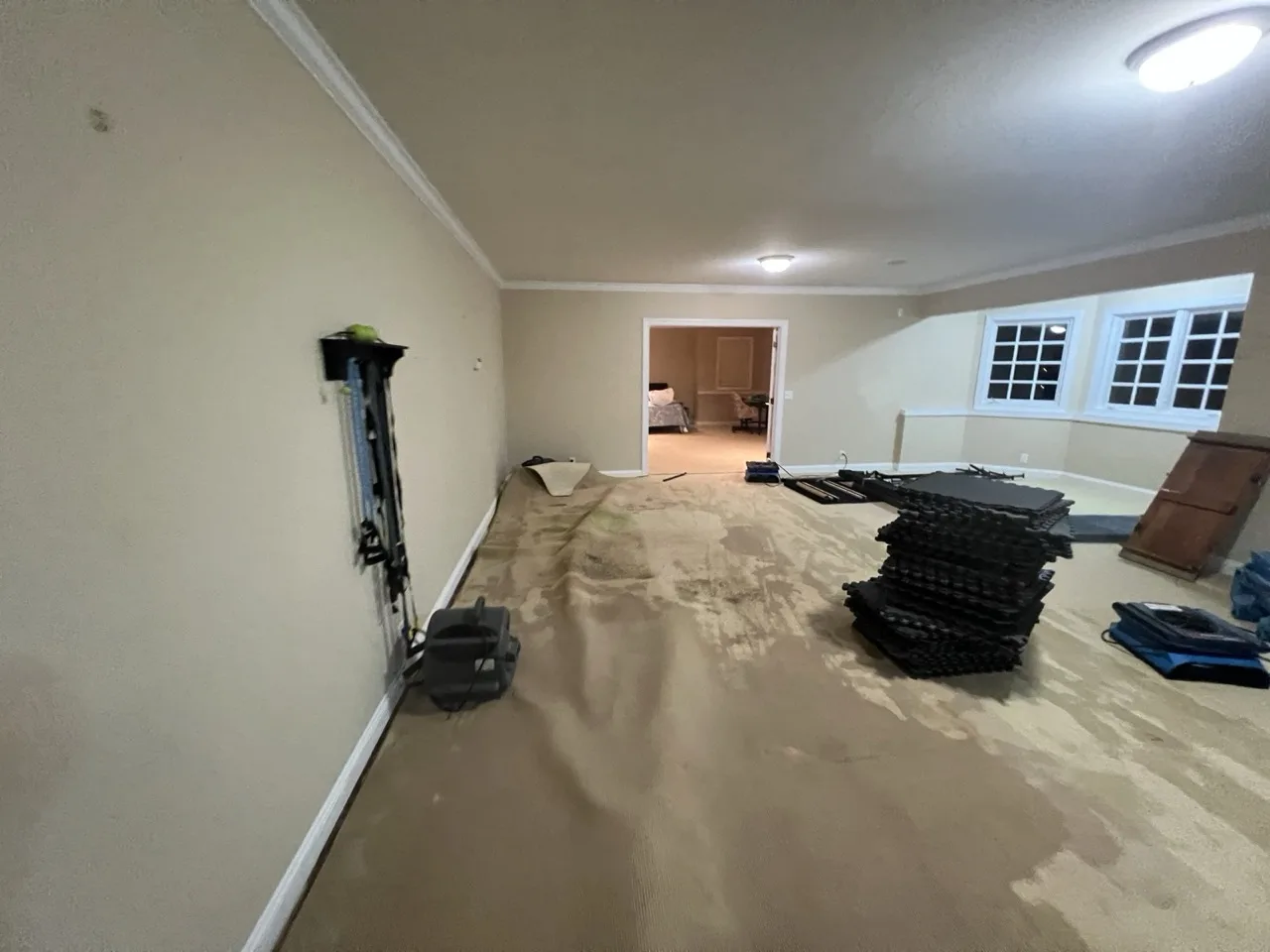
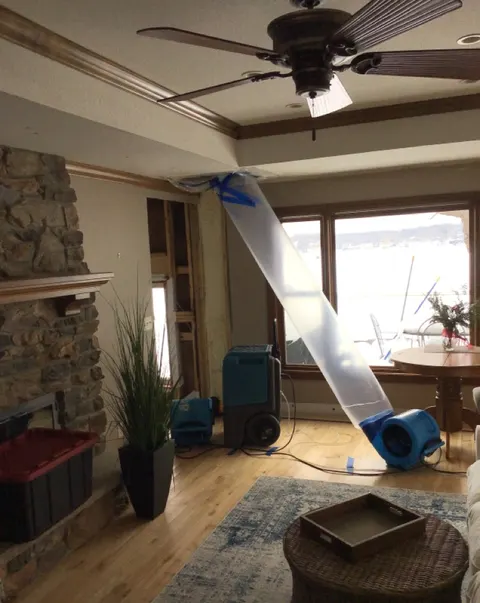
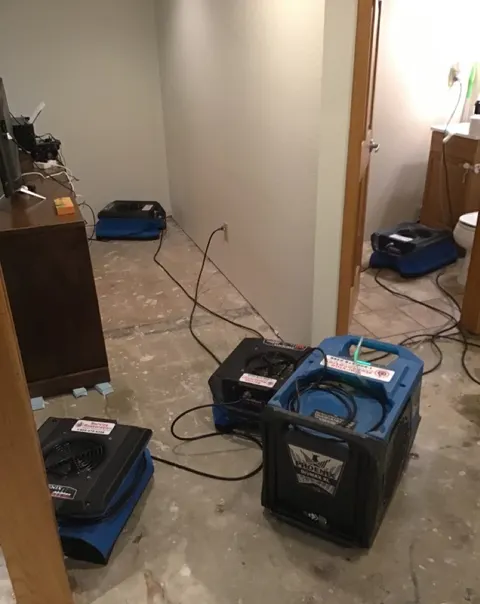
- Air movers and dehumidifiers placed to dry the structure quickly, with moisture readings tracked so drying is confirmed, not guessed at.
- Sanitizing
- Affected areas cleaned and sanitized once dry, reducing the chance of mold or bacterial growth from standing or contaminated water.
- Sewage, sewer backup and contaminated water
- Sewage backups and other contaminated water losses, including a sewer line backing up through a floor drain, shower or toilet, are handled with the appropriate containment and disposal, not treated the same as a clean water leak. Sewer backups in particular tend to happen during heavy rain, when a municipal line is already running at capacity and has nowhere else to push the water but back up through the lowest drain in the house.
- Water heater, washing machine and dishwasher leaks
- Appliance and water heater failures are a frequent cause of water damage, usually caught late because the leak starts slow and hidden. The same extraction and drying process applies, with the appliance or supply line issue flagged for repair or replacement separately.
How does the job run?
Call for a free inspection
The call center takes the details and dispatches a local team. No price is given over the phone without someone having looked at the damage first.
On-site assessment
Typically within 60 minutes, depending on drive time, traffic, road conditions and call volume, a technician assesses the extent of the water, identifies the source if it is still active, and explains what they are seeing in plain terms.
Extraction and drying equipment placed
Water extraction starts the same visit, with air movers and dehumidifiers placed to begin drying the structure immediately.
Monitoring until dry
Moisture levels are checked over the following days until the structure reads dry, not just visibly dry, before equipment is pulled.
Reconstruction and contents, if needed
Jobs that need rebuilding go straight into reconstruction with the same company, so there is no second contractor to schedule and coordinate. Furniture, electronics, clothing and documents can be cleaned and stored while the work is done.
What does it cost?
| Job | What it covers | Typical range |
|---|---|---|
| Average flooded basement | Drying and mitigation | $5,000 to $10,000 |
| Average kitchen water damage | Drying and mitigation | $3,000 to $5,000 |
| Reconstruction after the dry out | Matching flooring across rooms, pulling and resetting cabinets | Can bring a job to $40,000 to $50,000 |
| Large commercial loss | For example, a hotel with multiple floors affected | Can run over $1,000,000 |
Areas we cover
- Little RockPulaski County, AR
- BentonSaline County, AR
- BryantSaline County, AR
- CabotLonoke County, AR
- ConwayFaulkner County, AR
- Hot SpringsGarland County, AR
- JacksonvillePulaski County, AR
- MaumellePulaski County, AR
- North Little RockPulaski County, AR
- Pine BluffJefferson County, AR
- SearcyWhite County, AR
- SherwoodPulaski County, AR
Water Damage Restoration questions
A local team is typically dispatched and on-site within 60 minutes, though the exact time depends on drive time, traffic, road conditions and how many calls are active. Call 24 hours a day, every day.
No. The first visit is a free inspection. A written price only comes after a technician has actually looked at the damage, which is different from quoting sight unseen.
It depends on the policy and the cause of the water. Service Restoration does not promise coverage outright, since that is case by case, but the team gives a straight read on what they are seeing and what is typically covered.
Clean water, such as a supply line break, is handled differently from sewage or other contaminated water, which needs containment and disposal on top of extraction and drying. Both are handled, but sewage jobs carry extra safety steps.
Moisture readings are tracked against the surrounding unaffected material, not just a visual check. Drying equipment stays in place until those readings confirm the structure is dry, which can take several days depending on the extent of the water. Pulling the equipment too early is one of the most common causes of a mold problem showing up weeks after a job looked finished.
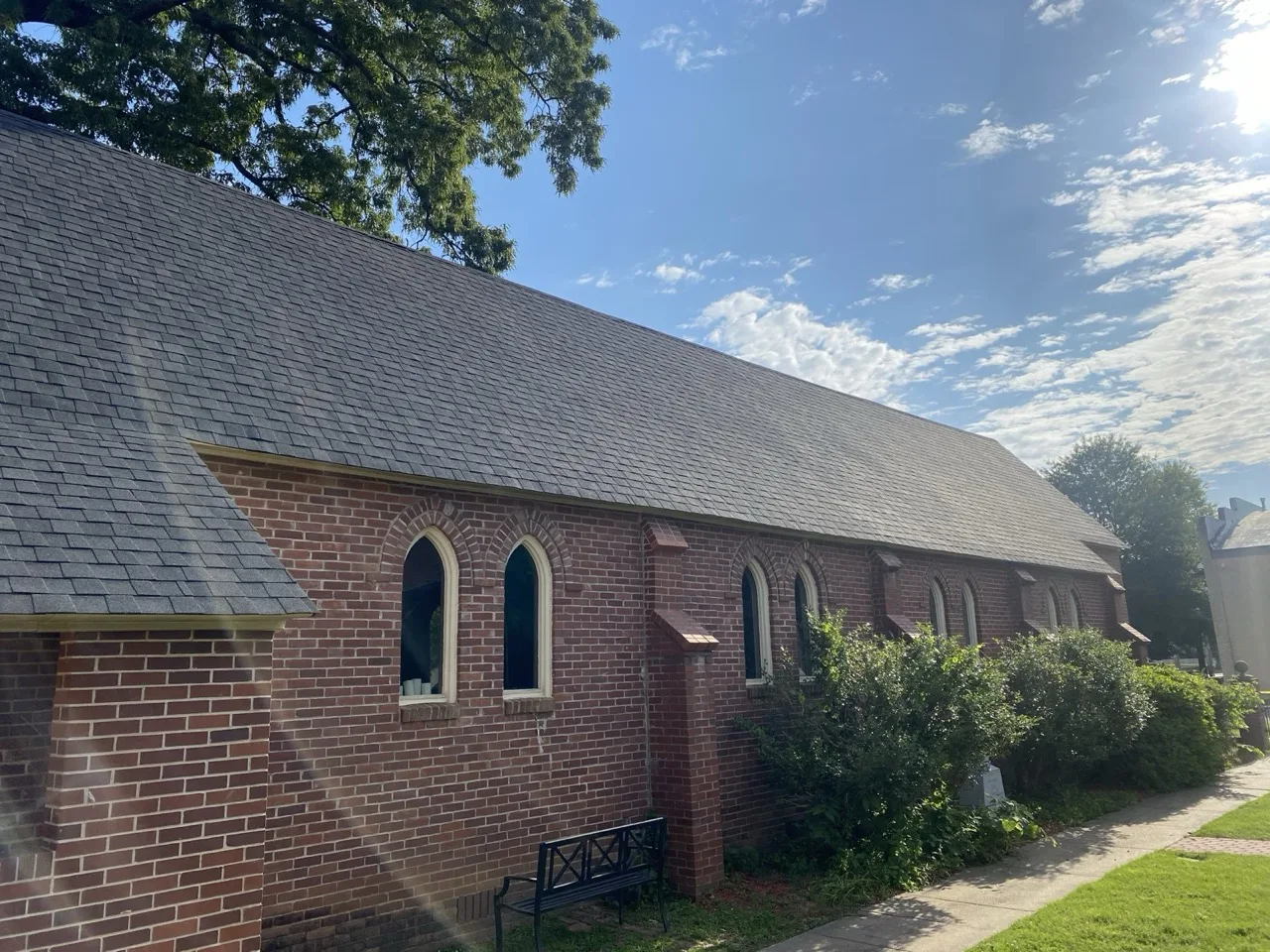
Yes. Hotels, churches and office buildings are some of the largest jobs the team handles. On a multi-floor loss the team sends multiple crews and brings its own temporary power and air conditioning, so drying starts the same day instead of waiting on a rental company.
Yes. Appliance and water heater leaks are a frequent cause of water damage, especially when the leak has been slow and hidden for a while before the floor starts to feel soft. The extraction and drying process is the same as any other water loss, with the appliance itself flagged for a plumber or technician to repair.
Service Restoration of Arkansas runs local teams out of two Little Rock offices, covering roughly a 90 minute radius across central Arkansas, rather than dispatching from out of state. That local coverage is what puts a team typically on-site within 60 minutes, depending on drive time, traffic, road conditions and call volume, for both routine water cleanup and large commercial losses.